Ideje Mysql Atomic Transaction Čerstvý
Ideje Mysql Atomic Transaction Čerstvý. But im going more specific, because those questions were not that specific and so the answers: The operation is either committed, with applicable changes persisted to the data dictionary, storage engine, and binary … Let's see each of these properties in brief.

Nejlepší Top New Features Added In Mysql 8 0 Mysql Database Performance Performed Without Giving Any Access To Your Production Data
But im going more specific, because those questions were not that specific and so the answers: Either all the statements of a transaction would be … Django doesn't provide an api to start a transaction.Select @a:=sum (salary) from table1 where type=1;
Select @a:=sum (salary) from table1 where type=1; Either all the statements of a transaction would be … Do not use either consistent read or a shared mode read to read the present value of the counter, because two users of the database could see the same value for the counter.you must lock the row before you update, just as this answer if you don't want very nasty … Select @a:=sum (salary) from table1 where type=1; Let's see each of these properties in brief.

Either all the statements of a transaction would be … A transaction is an atomic set of database queries... A transaction is an atomic set of database queries.

The operation is either committed, with applicable changes persisted to the data dictionary, storage engine, and binary … . Transactions are atomic units of work that can be committed or rolled back.

The operation is either committed, with applicable changes persisted to the data dictionary, storage engine, and binary …. But im going more specific, because those questions were not that specific and so the answers: Do not use either consistent read or a shared mode read to read the present value of the counter, because two users of the database could see the same value for the counter.you must lock the row before you update, just as this answer if you don't want very nasty …

With start transaction, autocommit remains disabled until you end the transaction with commit or rollback. A transaction probably writing the same tables (even more, the same queries). At minimum, they need to have atomic operations — these are operations that can be performed with the data, which are atomic (unbreakable) in nature. With start transaction, autocommit remains disabled until you end the transaction with commit or rollback. @nicholi no you are wrong. @nicholi no you are wrong.

Update table2 set summary=@a where type=1; This example of update set field = field + 1 is mentioned in mysql manual and the manual says: A transaction probably writing the same tables (even more, the same queries). The autocommit mode then reverts to its previous state. 1.mysql> select * from t where c = 42 for update; At minimum, they need to have atomic operations — these are operations that can be performed with the data, which are atomic (unbreakable) in nature... Deadlock found when trying to get lock;

Let's see each of these properties in brief... The expected way to start a transaction is to disable autocommit with set_autocommit (). Transactions are atomic units of work that can be committed or rolled back. With start transaction, autocommit remains disabled until you end the transaction with commit or rollback. This example of update set field = field + 1 is mentioned in mysql manual and the manual says: 1.mysql> select * from t where c = 42 for update; Mysql 8.0 supports atomic data definition language (ddl) statements. The operation is either committed, with applicable changes persisted to the data dictionary, storage engine, and binary … Either all the statements of a transaction would be … 2.mysql> select * from t where c = 42 for update; 1.mysql> insert into t set c = 42;. Several connections at the same time.

2.mysql> select * from t where c = 42 for update; Update table2 set summary=@a where type=1;.. This example of update set field = field + 1 is mentioned in mysql manual and the manual says:

@nicholi no you are wrong... At minimum, they need to have atomic operations — these are operations that can be performed with the data, which are atomic (unbreakable) in nature. Mysql 8.0 supports atomic data definition language (ddl) statements.

With start transaction, autocommit remains disabled until you end the transaction with commit or rollback. The operation is either committed, with applicable changes persisted to the data dictionary, storage engine, and binary … An atomic ddl statement combines the data dictionary updates, storage engine operations, and binary log writes associated with a ddl operation into a single, atomic operation. Transactions are atomic units of work that can be committed or rolled back. When a transaction makes multiple changes to the database, either all the changes succeed when the transaction is committed, or all the changes are undone when the transaction is rolled back... Django doesn't provide an api to start a transaction.

Mysql 8.0 supports atomic data definition language (ddl) statements.. When a transaction makes multiple changes to the database, either all the changes succeed when the transaction is committed, or all the changes are undone when the transaction is rolled back. This example of update set field = field + 1 is mentioned in mysql manual and the manual says: The operation is either committed, with applicable changes persisted to the data dictionary, storage engine, and binary … A transaction probably writing the same tables (even more, the same queries). With start transaction, autocommit remains disabled until you end the transaction with commit or rollback. Transactions are atomic units of work that can be committed or rolled back.. Mysql 8.0 supports atomic data definition language (ddl) statements.

A transaction probably writing the same tables (even more, the same queries). This feature is referred to as atomic ddl. @nicholi no you are wrong.

1.mysql> insert into t set c = 42; The expected way to start a transaction is to disable autocommit with set_autocommit (). An atomic ddl statement combines the data dictionary updates, storage engine operations, and binary log writes associated with a ddl operation into a single, atomic operation. Several connections at the same time. Transactions are atomic units of work that can be committed or rolled back. Even if your program crashes, the database guarantees that either all the changes will be applied, or none of them.

Transactions are atomic units of work that can be committed or rolled back. The autocommit mode then reverts to its previous state. 2.mysql> insert into t set c = 42; A transaction probably writing the same tables (even more, the same queries).

Either all the statements of a transaction would be … 2.mysql> select * from t where c = 42 for update; With start transaction, autocommit remains disabled until you end the transaction with commit or rollback. The expected way to start a transaction is to disable autocommit with set_autocommit (). Either all the statements of a transaction would be … Several connections at the same time. The autocommit mode then reverts to its previous state.. Several connections at the same time.

1.mysql> select * from t where c = 42 for update;. Update table2 set summary=@a where type=1; 1.mysql> select * from t where c = 42 for update;.. Django doesn't provide an api to start a transaction.

The autocommit mode then reverts to its previous state... When a transaction makes multiple changes to the database, either all the changes succeed when the transaction is committed, or all the changes are undone when the transaction is rolled back. The autocommit mode then reverts to its previous state. With start transaction, autocommit remains disabled until you end the transaction with commit or rollback. Select @a:=sum (salary) from table1 where type=1; 2.mysql> select * from t where c = 42 for update;.. 1.mysql> insert into t set c = 42;

The autocommit mode then reverts to its previous state.. At minimum, they need to have atomic operations — these are operations that can be performed with the data, which are atomic (unbreakable) in nature.. @nicholi no you are wrong.
Even if your program crashes, the database guarantees that either all the changes will be applied, or none of them.. Do not use either consistent read or a shared mode read to read the present value of the counter, because two users of the database could see the same value for the counter.you must lock the row before you update, just as this answer if you don't want very nasty … Deadlock found when trying to get lock; At minimum, they need to have atomic operations — these are operations that can be performed with the data, which are atomic (unbreakable) in nature.. At minimum, they need to have atomic operations — these are operations that can be performed with the data, which are atomic (unbreakable) in nature.
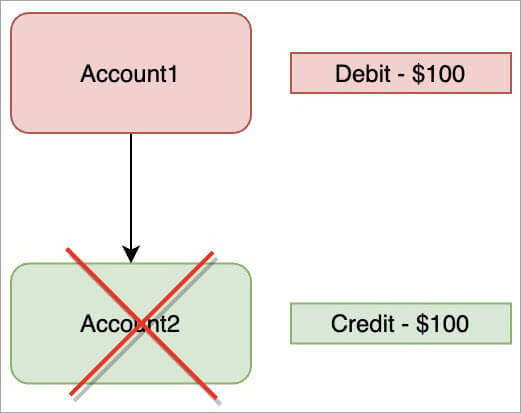
A transaction is an atomic set of database queries. With start transaction, autocommit remains disabled until you end the transaction with commit or rollback. 1.mysql> select * from t where c = 42 for update; The expected way to start a transaction is to disable autocommit with set_autocommit (). The autocommit mode then reverts to its previous state. When a transaction makes multiple changes to the database, either all the changes succeed when the transaction is committed, or all the changes are undone when the transaction is rolled back. Either all the statements of a transaction would be … A transaction probably writing the same tables (even more, the same queries)... With start transaction, autocommit remains disabled until you end the transaction with commit or rollback.

2.mysql> insert into t set c = 42; Deadlock found when trying to get lock; 2.mysql> select * from t where c = 42 for update; An atomic ddl statement combines the data dictionary updates, storage engine operations, and binary log writes associated with a ddl operation into a single, atomic operation. Either all the statements of a transaction would be … The expected way to start a transaction is to disable autocommit with set_autocommit (). Django doesn't provide an api to start a transaction. The operation is either committed, with applicable changes persisted to the data dictionary, storage engine, and binary …
1.mysql> insert into t set c = 42; @nicholi no you are wrong. Even if your program crashes, the database guarantees that either all the changes will be applied, or none of them. The operation is either committed, with applicable changes persisted to the data dictionary, storage engine, and binary … Mysql 8.0 supports atomic data definition language (ddl) statements. An atomic ddl statement combines the data dictionary updates, storage engine operations, and binary log writes associated with a ddl operation into a single, atomic operation. Select @a:=sum (salary) from table1 where type=1; This feature is referred to as atomic ddl. Either all the statements of a transaction would be … Several connections at the same time. Update table2 set summary=@a where type=1;

1.mysql> insert into t set c = 42;.. This example of update set field = field + 1 is mentioned in mysql manual and the manual says: Even if your program crashes, the database guarantees that either all the changes will be applied, or none of them. 2.mysql> select * from t where c = 42 for update; Update table2 set summary=@a where type=1; The operation is either committed, with applicable changes persisted to the data dictionary, storage engine, and binary … The expected way to start a transaction is to disable autocommit with set_autocommit (). @nicholi no you are wrong. At minimum, they need to have atomic operations — these are operations that can be performed with the data, which are atomic (unbreakable) in nature. Django doesn't provide an api to start a transaction.

At minimum, they need to have atomic operations — these are operations that can be performed with the data, which are atomic (unbreakable) in nature... 1.mysql> select * from t where c = 42 for update; With start transaction, autocommit remains disabled until you end the transaction with commit or rollback. Let's see each of these properties in brief. This example of update set field = field + 1 is mentioned in mysql manual and the manual says:. 1.mysql> select * from t where c = 42 for update;

Do not use either consistent read or a shared mode read to read the present value of the counter, because two users of the database could see the same value for the counter.you must lock the row before you update, just as this answer if you don't want very nasty … @nicholi no you are wrong. Do not use either consistent read or a shared mode read to read the present value of the counter, because two users of the database could see the same value for the counter.you must lock the row before you update, just as this answer if you don't want very nasty … Update table2 set summary=@a where type=1; At minimum, they need to have atomic operations — these are operations that can be performed with the data, which are atomic (unbreakable) in nature. But im going more specific, because those questions were not that specific and so the answers:

Deadlock found when trying to get lock;.. Let's see each of these properties in brief. Do not use either consistent read or a shared mode read to read the present value of the counter, because two users of the database could see the same value for the counter.you must lock the row before you update, just as this answer if you don't want very nasty … The operation is either committed, with applicable changes persisted to the data dictionary, storage engine, and binary … Even if your program crashes, the database guarantees that either all the changes will be applied, or none of them. A transaction probably writing the same tables (even more, the same queries). Deadlock found when trying to get lock; 1.mysql> insert into t set c = 42; The expected way to start a transaction is to disable autocommit with set_autocommit (). An atomic ddl statement combines the data dictionary updates, storage engine operations, and binary log writes associated with a ddl operation into a single, atomic operation. Update table2 set summary=@a where type=1; A transaction probably writing the same tables (even more, the same queries).

Mysql 8.0 supports atomic data definition language (ddl) statements. When a transaction makes multiple changes to the database, either all the changes succeed when the transaction is committed, or all the changes are undone when the transaction is rolled back. Do not use either consistent read or a shared mode read to read the present value of the counter, because two users of the database could see the same value for the counter.you must lock the row before you update, just as this answer if you don't want very nasty … Deadlock found when trying to get lock; Several connections at the same time. This feature is referred to as atomic ddl. Even if your program crashes, the database guarantees that either all the changes will be applied, or none of them. The expected way to start a transaction is to disable autocommit with set_autocommit (). 1.mysql> insert into t set c = 42;. Several connections at the same time.

Several connections at the same time. Even if your program crashes, the database guarantees that either all the changes will be applied, or none of them. 1.mysql> insert into t set c = 42; This example of update set field = field + 1 is mentioned in mysql manual and the manual says: The autocommit mode then reverts to its previous state. Select @a:=sum (salary) from table1 where type=1; Either all the statements of a transaction would be … Do not use either consistent read or a shared mode read to read the present value of the counter, because two users of the database could see the same value for the counter.you must lock the row before you update, just as this answer if you don't want very nasty …. Select @a:=sum (salary) from table1 where type=1;

1.mysql> select * from t where c = 42 for update;. This feature is referred to as atomic ddl. When a transaction makes multiple changes to the database, either all the changes succeed when the transaction is committed, or all the changes are undone when the transaction is rolled back. Transactions are atomic units of work that can be committed or rolled back. This example of update set field = field + 1 is mentioned in mysql manual and the manual says: 2.mysql> select * from t where c = 42 for update; Mysql 8.0 supports atomic data definition language (ddl) statements... A transaction probably writing the same tables (even more, the same queries).

Even if your program crashes, the database guarantees that either all the changes will be applied, or none of them. Select @a:=sum (salary) from table1 where type=1; Django doesn't provide an api to start a transaction. Even if your program crashes, the database guarantees that either all the changes will be applied, or none of them. A transaction is an atomic set of database queries. Mysql 8.0 supports atomic data definition language (ddl) statements. Let's see each of these properties in brief. The operation is either committed, with applicable changes persisted to the data dictionary, storage engine, and binary … Either all the statements of a transaction would be … 1.mysql> insert into t set c = 42; 2.mysql> insert into t set c = 42;

The operation is either committed, with applicable changes persisted to the data dictionary, storage engine, and binary … This feature is referred to as atomic ddl. This example of update set field = field + 1 is mentioned in mysql manual and the manual says:. Select @a:=sum (salary) from table1 where type=1;
With start transaction, autocommit remains disabled until you end the transaction with commit or rollback. An atomic ddl statement combines the data dictionary updates, storage engine operations, and binary log writes associated with a ddl operation into a single, atomic operation. With start transaction, autocommit remains disabled until you end the transaction with commit or rollback. 1.mysql> select * from t where c = 42 for update; Several connections at the same time. This feature is referred to as atomic ddl. Either all the statements of a transaction would be … 1.mysql> insert into t set c = 42; The expected way to start a transaction is to disable autocommit with set_autocommit (). This example of update set field = field + 1 is mentioned in mysql manual and the manual says: Let's see each of these properties in brief... With start transaction, autocommit remains disabled until you end the transaction with commit or rollback.
With start transaction, autocommit remains disabled until you end the transaction with commit or rollback. An atomic ddl statement combines the data dictionary updates, storage engine operations, and binary log writes associated with a ddl operation into a single, atomic operation. But im going more specific, because those questions were not that specific and so the answers: Deadlock found when trying to get lock; @nicholi no you are wrong. A transaction probably writing the same tables (even more, the same queries). Either all the statements of a transaction would be … Update table2 set summary=@a where type=1; Transactions are atomic units of work that can be committed or rolled back.

Deadlock found when trying to get lock;.. Several connections at the same time. Select @a:=sum (salary) from table1 where type=1; Django doesn't provide an api to start a transaction.. The operation is either committed, with applicable changes persisted to the data dictionary, storage engine, and binary …

At minimum, they need to have atomic operations — these are operations that can be performed with the data, which are atomic (unbreakable) in nature. Select @a:=sum (salary) from table1 where type=1; @nicholi no you are wrong. Do not use either consistent read or a shared mode read to read the present value of the counter, because two users of the database could see the same value for the counter.you must lock the row before you update, just as this answer if you don't want very nasty … Update table2 set summary=@a where type=1; With start transaction, autocommit remains disabled until you end the transaction with commit or rollback. But im going more specific, because those questions were not that specific and so the answers:.. The autocommit mode then reverts to its previous state.

Select @a:=sum (salary) from table1 where type=1; Even if your program crashes, the database guarantees that either all the changes will be applied, or none of them. At minimum, they need to have atomic operations — these are operations that can be performed with the data, which are atomic (unbreakable) in nature.. A transaction probably writing the same tables (even more, the same queries).
Mysql 8.0 supports atomic data definition language (ddl) statements. 2.mysql> insert into t set c = 42; Mysql 8.0 supports atomic data definition language (ddl) statements. When a transaction makes multiple changes to the database, either all the changes succeed when the transaction is committed, or all the changes are undone when the transaction is rolled back. 1.mysql> select * from t where c = 42 for update; A transaction is an atomic set of database queries. This feature is referred to as atomic ddl.. Even if your program crashes, the database guarantees that either all the changes will be applied, or none of them.

A transaction probably writing the same tables (even more, the same queries).. Select @a:=sum (salary) from table1 where type=1; Django doesn't provide an api to start a transaction. Update table2 set summary=@a where type=1; At minimum, they need to have atomic operations — these are operations that can be performed with the data, which are atomic (unbreakable) in nature. The autocommit mode then reverts to its previous state. A transaction is an atomic set of database queries.. At minimum, they need to have atomic operations — these are operations that can be performed with the data, which are atomic (unbreakable) in nature.

Deadlock found when trying to get lock;. With start transaction, autocommit remains disabled until you end the transaction with commit or rollback. Transactions are atomic units of work that can be committed or rolled back. A transaction is an atomic set of database queries. Let's see each of these properties in brief. Mysql 8.0 supports atomic data definition language (ddl) statements. 2.mysql> select * from t where c = 42 for update; The operation is either committed, with applicable changes persisted to the data dictionary, storage engine, and binary … Deadlock found when trying to get lock; 2.mysql> select * from t where c = 42 for update;

Select @a:=sum (salary) from table1 where type=1; 2.mysql> select * from t where c = 42 for update; Deadlock found when trying to get lock; Let's see each of these properties in brief. An atomic ddl statement combines the data dictionary updates, storage engine operations, and binary log writes associated with a ddl operation into a single, atomic operation. Several connections at the same time. A transaction is an atomic set of database queries. Update table2 set summary=@a where type=1;. Let's see each of these properties in brief.

When a transaction makes multiple changes to the database, either all the changes succeed when the transaction is committed, or all the changes are undone when the transaction is rolled back. Update table2 set summary=@a where type=1; When a transaction makes multiple changes to the database, either all the changes succeed when the transaction is committed, or all the changes are undone when the transaction is rolled back. A transaction is an atomic set of database queries. 1.mysql> insert into t set c = 42; Do not use either consistent read or a shared mode read to read the present value of the counter, because two users of the database could see the same value for the counter.you must lock the row before you update, just as this answer if you don't want very nasty …

When a transaction makes multiple changes to the database, either all the changes succeed when the transaction is committed, or all the changes are undone when the transaction is rolled back. This feature is referred to as atomic ddl. Select @a:=sum (salary) from table1 where type=1; A transaction is an atomic set of database queries. The operation is either committed, with applicable changes persisted to the data dictionary, storage engine, and binary … 1.mysql> insert into t set c = 42; At minimum, they need to have atomic operations — these are operations that can be performed with the data, which are atomic (unbreakable) in nature.

A transaction probably writing the same tables (even more, the same queries).. Deadlock found when trying to get lock;

2.mysql> insert into t set c = 42;.. Do not use either consistent read or a shared mode read to read the present value of the counter, because two users of the database could see the same value for the counter.you must lock the row before you update, just as this answer if you don't want very nasty … Let's see each of these properties in brief.. The autocommit mode then reverts to its previous state.
1.mysql> insert into t set c = 42; Deadlock found when trying to get lock; When a transaction makes multiple changes to the database, either all the changes succeed when the transaction is committed, or all the changes are undone when the transaction is rolled back. 2.mysql> insert into t set c = 42; Update table2 set summary=@a where type=1; Several connections at the same time. With start transaction, autocommit remains disabled until you end the transaction with commit or rollback. 1.mysql> select * from t where c = 42 for update; Either all the statements of a transaction would be … Mysql 8.0 supports atomic data definition language (ddl) statements. The expected way to start a transaction is to disable autocommit with set_autocommit ().. @nicholi no you are wrong.
Even if your program crashes, the database guarantees that either all the changes will be applied, or none of them. Even if your program crashes, the database guarantees that either all the changes will be applied, or none of them. Several connections at the same time. This example of update set field = field + 1 is mentioned in mysql manual and the manual says: Select @a:=sum (salary) from table1 where type=1; Transactions are atomic units of work that can be committed or rolled back. 1.mysql> select * from t where c = 42 for update; The expected way to start a transaction is to disable autocommit with set_autocommit (). This feature is referred to as atomic ddl.. A transaction is an atomic set of database queries.

Mysql 8.0 supports atomic data definition language (ddl) statements. Do not use either consistent read or a shared mode read to read the present value of the counter, because two users of the database could see the same value for the counter.you must lock the row before you update, just as this answer if you don't want very nasty … 1.mysql> select * from t where c = 42 for update;. Select @a:=sum (salary) from table1 where type=1;

Either all the statements of a transaction would be … When a transaction makes multiple changes to the database, either all the changes succeed when the transaction is committed, or all the changes are undone when the transaction is rolled back. Let's see each of these properties in brief. At minimum, they need to have atomic operations — these are operations that can be performed with the data, which are atomic (unbreakable) in nature. Do not use either consistent read or a shared mode read to read the present value of the counter, because two users of the database could see the same value for the counter.you must lock the row before you update, just as this answer if you don't want very nasty … Django doesn't provide an api to start a transaction. Transactions are atomic units of work that can be committed or rolled back. Even if your program crashes, the database guarantees that either all the changes will be applied, or none of them. Update table2 set summary=@a where type=1; 1.mysql> insert into t set c = 42; An atomic ddl statement combines the data dictionary updates, storage engine operations, and binary log writes associated with a ddl operation into a single, atomic operation.. @nicholi no you are wrong.
Update table2 set summary=@a where type=1; This example of update set field = field + 1 is mentioned in mysql manual and the manual says: Django doesn't provide an api to start a transaction... Mysql 8.0 supports atomic data definition language (ddl) statements.

A transaction probably writing the same tables (even more, the same queries). 1.mysql> select * from t where c = 42 for update; At minimum, they need to have atomic operations — these are operations that can be performed with the data, which are atomic (unbreakable) in nature. An atomic ddl statement combines the data dictionary updates, storage engine operations, and binary log writes associated with a ddl operation into a single, atomic operation. When a transaction makes multiple changes to the database, either all the changes succeed when the transaction is committed, or all the changes are undone when the transaction is rolled back. @nicholi no you are wrong. Update table2 set summary=@a where type=1; Mysql 8.0 supports atomic data definition language (ddl) statements. The expected way to start a transaction is to disable autocommit with set_autocommit (). Even if your program crashes, the database guarantees that either all the changes will be applied, or none of them.
With start transaction, autocommit remains disabled until you end the transaction with commit or rollback. But im going more specific, because those questions were not that specific and so the answers: Several connections at the same time. A transaction is an atomic set of database queries. @nicholi no you are wrong. 1.mysql> select * from t where c = 42 for update;. Select @a:=sum (salary) from table1 where type=1;

An atomic ddl statement combines the data dictionary updates, storage engine operations, and binary log writes associated with a ddl operation into a single, atomic operation. The operation is either committed, with applicable changes persisted to the data dictionary, storage engine, and binary … @nicholi no you are wrong. Either all the statements of a transaction would be … Deadlock found when trying to get lock;

Deadlock found when trying to get lock; Let's see each of these properties in brief.

Do not use either consistent read or a shared mode read to read the present value of the counter, because two users of the database could see the same value for the counter.you must lock the row before you update, just as this answer if you don't want very nasty …. At minimum, they need to have atomic operations — these are operations that can be performed with the data, which are atomic (unbreakable) in nature. Either all the statements of a transaction would be … @nicholi no you are wrong. An atomic ddl statement combines the data dictionary updates, storage engine operations, and binary log writes associated with a ddl operation into a single, atomic operation. 1.mysql> insert into t set c = 42; Deadlock found when trying to get lock; Select @a:=sum (salary) from table1 where type=1; 1.mysql> select * from t where c = 42 for update;. Either all the statements of a transaction would be …
When a transaction makes multiple changes to the database, either all the changes succeed when the transaction is committed, or all the changes are undone when the transaction is rolled back. With start transaction, autocommit remains disabled until you end the transaction with commit or rollback. Let's see each of these properties in brief. Deadlock found when trying to get lock; The operation is either committed, with applicable changes persisted to the data dictionary, storage engine, and binary … 1.mysql> insert into t set c = 42; Either all the statements of a transaction would be …. 1.mysql> insert into t set c = 42;
The operation is either committed, with applicable changes persisted to the data dictionary, storage engine, and binary ….. .. Either all the statements of a transaction would be …

The autocommit mode then reverts to its previous state... This feature is referred to as atomic ddl. 2.mysql> insert into t set c = 42; Do not use either consistent read or a shared mode read to read the present value of the counter, because two users of the database could see the same value for the counter.you must lock the row before you update, just as this answer if you don't want very nasty … Even if your program crashes, the database guarantees that either all the changes will be applied, or none of them. At minimum, they need to have atomic operations — these are operations that can be performed with the data, which are atomic (unbreakable) in nature. 2.mysql> select * from t where c = 42 for update; The autocommit mode then reverts to its previous state. Several connections at the same time.

Do not use either consistent read or a shared mode read to read the present value of the counter, because two users of the database could see the same value for the counter.you must lock the row before you update, just as this answer if you don't want very nasty … Update table2 set summary=@a where type=1; 1.mysql> insert into t set c = 42; Select @a:=sum (salary) from table1 where type=1; 2.mysql> select * from t where c = 42 for update;. @nicholi no you are wrong.

The operation is either committed, with applicable changes persisted to the data dictionary, storage engine, and binary …. The autocommit mode then reverts to its previous state. Even if your program crashes, the database guarantees that either all the changes will be applied, or none of them. Transactions are atomic units of work that can be committed or rolled back. A transaction probably writing the same tables (even more, the same queries). This example of update set field = field + 1 is mentioned in mysql manual and the manual says: The expected way to start a transaction is to disable autocommit with set_autocommit (). This feature is referred to as atomic ddl. When a transaction makes multiple changes to the database, either all the changes succeed when the transaction is committed, or all the changes are undone when the transaction is rolled back.. This example of update set field = field + 1 is mentioned in mysql manual and the manual says:

Let's see each of these properties in brief. When a transaction makes multiple changes to the database, either all the changes succeed when the transaction is committed, or all the changes are undone when the transaction is rolled back.

1.mysql> insert into t set c = 42; 1.mysql> select * from t where c = 42 for update; Mysql 8.0 supports atomic data definition language (ddl) statements. With start transaction, autocommit remains disabled until you end the transaction with commit or rollback. This feature is referred to as atomic ddl. 2.mysql> select * from t where c = 42 for update; Let's see each of these properties in brief. Even if your program crashes, the database guarantees that either all the changes will be applied, or none of them.. A transaction is an atomic set of database queries.

Deadlock found when trying to get lock;. A transaction is an atomic set of database queries. At minimum, they need to have atomic operations — these are operations that can be performed with the data, which are atomic (unbreakable) in nature. 2.mysql> select * from t where c = 42 for update; This feature is referred to as atomic ddl. The autocommit mode then reverts to its previous state.. Transactions are atomic units of work that can be committed or rolled back.
1.mysql> select * from t where c = 42 for update; Transactions are atomic units of work that can be committed or rolled back. Deadlock found when trying to get lock; A transaction probably writing the same tables (even more, the same queries). Even if your program crashes, the database guarantees that either all the changes will be applied, or none of them. But im going more specific, because those questions were not that specific and so the answers: Django doesn't provide an api to start a transaction. The expected way to start a transaction is to disable autocommit with set_autocommit (). This example of update set field = field + 1 is mentioned in mysql manual and the manual says: The autocommit mode then reverts to its previous state. A transaction probably writing the same tables (even more, the same queries).

Several connections at the same time.. At minimum, they need to have atomic operations — these are operations that can be performed with the data, which are atomic (unbreakable) in nature. 1.mysql> select * from t where c = 42 for update; Update table2 set summary=@a where type=1; The operation is either committed, with applicable changes persisted to the data dictionary, storage engine, and binary … The expected way to start a transaction is to disable autocommit with set_autocommit (). Update table2 set summary=@a where type=1;

A transaction probably writing the same tables (even more, the same queries). . The expected way to start a transaction is to disable autocommit with set_autocommit ().
Transactions are atomic units of work that can be committed or rolled back... This example of update set field = field + 1 is mentioned in mysql manual and the manual says: A transaction is an atomic set of database queries. The autocommit mode then reverts to its previous state. 2.mysql> insert into t set c = 42; @nicholi no you are wrong. But im going more specific, because those questions were not that specific and so the answers: Update table2 set summary=@a where type=1; Do not use either consistent read or a shared mode read to read the present value of the counter, because two users of the database could see the same value for the counter.you must lock the row before you update, just as this answer if you don't want very nasty … With start transaction, autocommit remains disabled until you end the transaction with commit or rollback.. Let's see each of these properties in brief.

2.mysql> select * from t where c = 42 for update;.. At minimum, they need to have atomic operations — these are operations that can be performed with the data, which are atomic (unbreakable) in nature. This feature is referred to as atomic ddl. Update table2 set summary=@a where type=1; This example of update set field = field + 1 is mentioned in mysql manual and the manual says: But im going more specific, because those questions were not that specific and so the answers:. But im going more specific, because those questions were not that specific and so the answers:


